EV Manufacturing: The Role of Digital Torque Tools
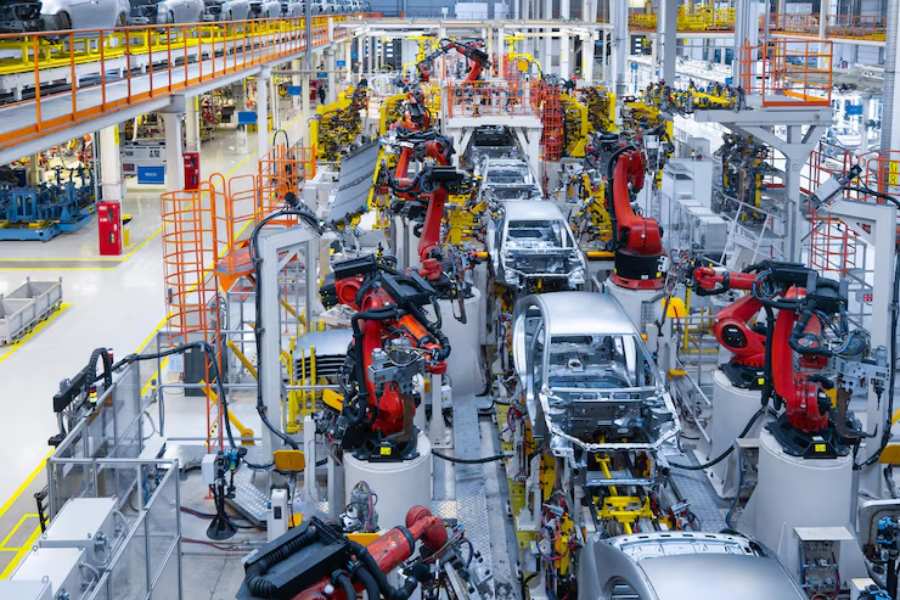
Electric vehicle manufacturing demands precision and consistency that exceed requirements of traditional automotive production. Every assembly operation, from battery pack integration to motor assembly, requires exact torque specifications to ensure safety, reliability, and performance. Manual torque tools and conventional mechanical wrenches introduce variability that modern manufacturing cannot tolerate. Digital torque tools have become essential infrastructure in EV production facilities worldwide, delivering the precision, data capture, and quality assurance capabilities that contemporary manufacturing demands. Understanding their critical role reveals why leading EV manufacturers increasingly prioritise digital torque solutions.
Why EV Manufacturing Demands Digital Torque Precision
Safety and Battery Pack Assembly
Electric vehicle batteries represent the most critical safety component in modern vehicles. Battery module assemblies require precise fastener torque to ensure structural integrity, prevent electrical shorts, and maintain thermal management efficiency. Inconsistent fastener torque can lead to battery pack failures, electrical hazards, and catastrophic safety incidents.
Digital torque tools eliminate guesswork from battery assembly operations. Every fastener receives exact torque specification, documented and verified electronically. This consistency protects consumers whilst reducing warranty claims and safety recalls that damage manufacturer reputations and profitability.
Motor and Drive Unit Assembly
Electric motor assembly tolerates even less variability than traditional engines. Motor shaft bearings, stator windings, and rotor assemblies require precise torque sequences ensuring proper alignment and mechanical integrity. Undersized torque risks bearing failure and catastrophic motor damage. Oversized torque damages windings and creates mechanical stress reducing component lifespan.
Digital torque tools enable manufacturers to specify exact torque sequences, controlling tightening speed, angle progression, and final verification. This capability ensures motor assembly consistency directly impacting vehicle reliability and performance.
Regulatory Compliance and Traceability
Modern vehicle manufacturers face rigorous safety regulations requiring complete documentation of assembly processes. Digital torque tools create permanent records of every tightening operation, including torque value, angle progression, operator identification, and timestamp. This comprehensive traceability satisfies regulatory requirements whilst enabling root cause analysis if quality issues emerge.
This documentation capability proves invaluable during investigations of field failures or safety concerns. Manufacturers can identify exactly when, where, and by whom problematic fasteners were tightened, enabling rapid corrective action.
Digital Torque Tool Capabilities Transforming EV Manufacturing
Real-Time Quality Data and Process Control
Digital torque tools collect real-time data from every tightening operation, transmitting this information directly to manufacturing execution systems. Quality engineers monitor fastening operations continuously, identifying trends indicating process degradation before quality failures occur. This predictive approach prevents defects rather than detecting them after assembly completion.
Advanced systems analyze torque angle profiles, detecting fastener issues such as cross-threading or insufficient bearing surface engagement that mechanical feedback cannot reliably identify. This sophisticated analysis ensures defects are caught and corrected immediately.
Integration with Manufacturing Systems
Digital torque tools seamlessly integrate with manufacturing execution systems, enterprise resource planning software, and quality management platforms. This integration enables automated workflow sequencing, work instructions delivery, and real-time status reporting. Operators receive precise instructions at their workstations, with tools confirming operations completed correctly before production proceeds.
This integration dramatically reduces assembly errors whilst improving production efficiency. Work stoppages due to quality issues decrease substantially when real-time feedback prevents problematic assemblies from advancing through production lines.
Ergonomics and Operator Safety
Modern digital torque tools prioritise operator safety and ergonomics. Powered torque application reduces physical strain compared to manual tightening, decreasing repetitive stress injuries affecting manufacturing workforces. Ergonomic tool design and balanced weight distribution enable operators to work safely throughout extended shifts.
Leading manufacturers likeCrane Electronics design digital torque tools emphasizing operator comfort alongside manufacturing precision. This dual focus acknowledges that sustainable manufacturing requires protecting worker health whilst delivering manufacturing excellence.
Implementation Best Practices
Selecting Appropriate Tool Technology
EV manufacturers must select digital torque tools matching specific application requirements. Handheld tools suit operations requiring positional flexibility. Reaction arm systems handle larger fasteners with significant resistance. Pulse tools provide exceptional accuracy for critical applications. Selecting appropriate technology for each application maximises effectiveness and efficiency.
Implementation planning must address training, maintenance protocols, and contingency procedures. Operators require thorough training understanding tool capabilities and limitations. Maintenance schedules prevent unexpected equipment failures disrupting production.
Data Management and Continuous Improvement
Digital torque systems generate enormous data volumes. Manufacturers must establish protocols for data management, analysis, and utilisation. Regular review of torque data identifies trends, detects potential issues, and reveals opportunities for process optimisation. This data-driven approach transforms torque tools from quality assurance devices into continuous improvement drivers.
Frequently Asked Questions
How much precision do digital torque tools provide compared to manual tools?
Digital torque tools typically achieve accuracy within 4-6 percent of target specification, compared to 10-15 percent accuracy for experienced operators using manual tools. This superior precision translates directly to higher quality assemblies and reduced defect rates.
What is the return on investment for digital torque tool implementation?
ROI typically materialises within 12-24 months through reduced warranty claims, lower scrap rates, and improved production efficiency. Many manufacturers report 20-30 percent reductions in assembly-related defects after implementation, generating substantial cost savings.
Can digital torque tools integrate with existing manufacturing systems?
Yes. Most modern digital torque solutions connect through industry-standard interfaces including EtherCAT, Profinet, and serial communications. Integration with existing systems usually requires minimal custom development.
How do digital torque tools perform in high-volume production environments?
Digital tools excel in high-volume manufacturing where consistency and documentation requirements are greatest. Data collection and automatic workflow management actually improve efficiency compared to manual processes, despite initial implementation complexity.
What training do operators require for digital torque systems?
Initial training typically requires 4-8 hours covering tool operation, quality monitoring, and troubleshooting. Ongoing training ensures operators understand process changes and system updates. Most systems include user-friendly interfaces minimising training requirements.
Conclusion
Digital torque tools have evolved from optional quality enhancements to essential manufacturing infrastructure in electric vehicle production. Their ability to deliver precision, capture quality data, ensure regulatory compliance, and improve operator safety makes them indispensable for manufacturers competing in demanding EV markets. As production volumes increase and quality expectations intensify, digital torque tool capabilities become even more critical. Manufacturers investing in modern digital torque solutions position themselves for sustained competitiveness, superior product quality, and manufacturing excellence that distinguishes market leaders from competitors.

Charles Poole
Charles Poole is a versatile professional with extensive experience in digital solutions, helping businesses enhance their online presence. He combines his expertise in multiple areas to provide comprehensive and impactful strategies. Beyond his technical prowess, Charles is also a skilled writer, delivering insightful articles on diverse business topics. His commitment to excellence and client success makes him a trusted advisor for businesses aiming to thrive in the digital world.