The Future of Mobility: How Electric Vehicle Charging Infrastructure Is Transforming Transportation
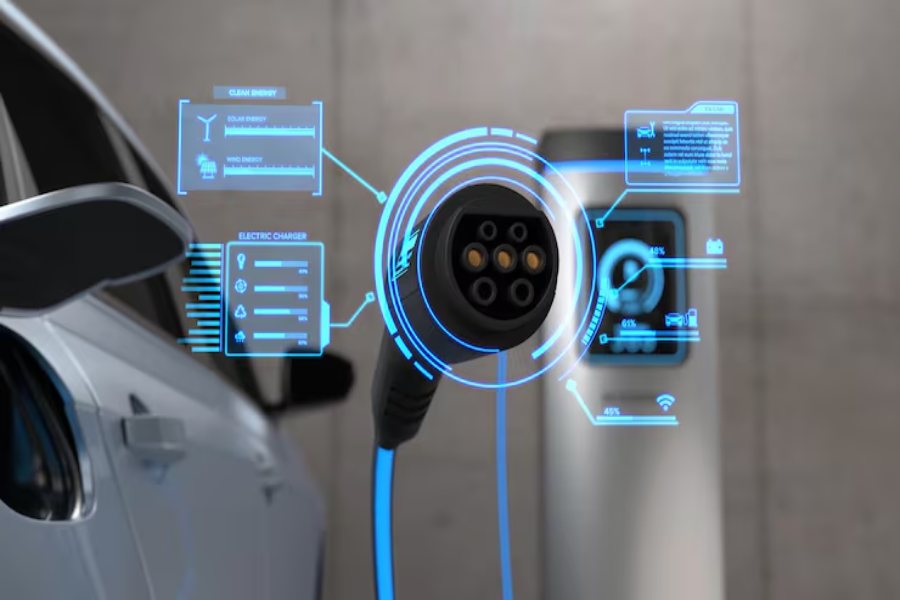
The global shift toward electric vehicles (EVs) is accelerating at an unprecedented pace. With rising fuel costs, stricter emissions regulations, and growing environmental awareness, electric mobility has moved from a niche concept to a mainstream transportation solution. Governments, automakers, and consumers are all playing a role in driving this transition, but one foundational element underpins the entire EV ecosystem: charging infrastructure.
Without dependable and accessible charging options, even the most advanced electric vehicles struggle to gain widespread adoption. As EV ownership increases worldwide, the demand for intelligent, scalable, and future-ready charging infrastructure continues to reshape residential areas, commercial properties, and public spaces.
Why EV Charging Infrastructure Is Critical to EV Adoption
The success of electric mobility depends heavily on the availability of robust ev charging solutions that meet the needs of drivers, businesses, and municipalities alike. Charging infrastructure is no longer limited to simple wall-mounted units; it now includes advanced hardware, cloud-based management platforms, and energy optimization tools designed to support diverse use cases across residential, commercial, and public environments.
Reliable charging access directly reduces range anxiety—one of the biggest barriers to EV adoption. When drivers know they can conveniently charge at home, work, or on the road, electric vehicles become a practical and confident choice rather than a compromise.
Understanding the Different Types of EV Charging
To build effective charging networks, it’s essential to understand the various charging levels and their applications.
Level 1 Charging: Entry-Level Residential Charging
Level 1 chargers operate using standard household outlets. While easy to install and cost-effective, they provide slow charging speeds and are best suited for drivers with low daily mileage or those who can charge overnight without time constraints.
Level 2 Charging: The Industry Standard
Level 2 chargers are widely used in homes, workplaces, apartment complexes, and commercial locations. They offer faster charging times and can typically recharge an EV within a few hours. Their balance of performance, affordability, and scalability makes them the most popular option for both private and public use.
DC Fast Charging: Powering Long-Distance Travel
DC fast chargers are designed for high-demand environments such as highways, fleet depots, and busy urban centers. These chargers can deliver up to 80% battery capacity in under 30 minutes, making them ideal for drivers on long journeys and commercial operations that require minimal downtime.
Smart Charging: Moving Beyond Hardware
Modern EV charging infrastructure is increasingly driven by intelligent software systems. Smart charging platforms allow operators to control, monitor, and optimize charging stations in real time.
Key advantages of smart charging include:
- Automated load balancing to prevent grid overload
- Remote diagnostics and maintenance
- Secure user authentication and billing
- Usage analytics and reporting
For businesses, these capabilities reduce operating costs and improve customer experience. For cities and utilities, smart charging enables more efficient energy distribution and grid resilience.
EV Charging in Commercial and Business Environments
For businesses, EV charging is no longer just a sustainability initiative—it is a strategic investment. Commercial charging stations attract customers, support employee retention, and enhance brand reputation.
Workplace Charging as an Employee Benefit
Employers offering EV charging demonstrate a commitment to sustainability while supporting employees who drive electric vehicles. Workplace charging can reduce commuting costs for employees and help organizations meet corporate sustainability and ESG objectives.
Retail, Hospitality, and Mixed-Use Properties
Retail centers, hotels, restaurants, and entertainment venues increasingly install EV chargers to attract EV-driving customers. Charging stations encourage longer visits and can influence where consumers choose to spend their time and money.
Residential and Multi-Unit Charging Solutions
While single-family homes can often install chargers with minimal complexity, multi-unit residential buildings present unique challenges. These include shared parking, limited electrical capacity, and fair billing among residents.
Modern charging solutions address these challenges by offering:
- Scalable infrastructure that grows with resident demand
- Individual access control and billing systems
- Load management to optimize power usage
These advancements make EV charging feasible even in dense urban environments, supporting broader adoption among apartment and condominium residents.
Supporting the Electrification of Vehicle Fleets
Fleet electrification is one of the fastest-growing segments of the EV market. Delivery companies, ride-hailing services, municipalities, and corporate fleets are transitioning to electric vehicles to reduce emissions and operating costs.
Fleet-focused charging infrastructure provides:
- High-capacity charging stations
- Centralized fleet management dashboards
- Predictive maintenance alerts
- Integration with scheduling and routing software
By optimizing charging schedules and energy usage, fleets can maximize vehicle availability while minimizing operational disruptions.
Integrating Renewable Energy with EV Charging
The environmental benefits of EVs are amplified when charging infrastructure is paired with renewable energy sources such as solar or wind power. Renewable integration reduces dependence on fossil fuels and lowers overall carbon footprints.
Energy storage systems and smart grids enable excess renewable energy to be stored and deployed during peak demand periods, further improving efficiency and sustainability.
Government Policies and Incentives Driving Infrastructure Growth
Public policy plays a major role in accelerating EV infrastructure deployment. Governments around the world are offering incentives to encourage charging station installations and EV adoption.
Common initiatives include:
- Tax credits and rebates for charger installations
- Grants for public and workplace charging projects
- EV-ready building requirements
- Reduced permitting and inspection costs
Understanding and leveraging these incentives can significantly reduce the cost of deploying charging infrastructure.
Choosing the Right EV Charging Provider
Selecting the right charging partner is crucial for long-term success. Decision-makers should evaluate providers based on:
- Hardware reliability and compliance with industry standards
- Software scalability and ease of management
- Installation, maintenance, and support services
- Compatibility with multiple vehicle types
A future-ready charging solution should adapt to evolving technology and increasing demand without requiring constant reinvestment.
Emerging Trends in EV Charging Technology
The EV charging industry continues to evolve rapidly. Innovations such as ultra-fast charging, wireless charging, and vehicle-to-grid (V2G) technology are shaping the future of mobility.
V2G technology, in particular, allows EVs to return energy to the grid during peak demand, transforming vehicles into mobile energy assets and improving grid stability.
The Long-Term Impact of EV Charging Infrastructure
As electric vehicles become the norm, charging infrastructure will be as essential as fuel stations once were. Cities, businesses, and property owners who invest early in advanced charging networks will be better positioned to support sustainable transportation and economic growth.
Conclusion
Electric vehicles are redefining how people and goods move across cities and regions. Behind this transformation lies a rapidly expanding charging ecosystem designed to support convenience, efficiency, and scalability. From residential installations to commercial hubs and fleet depots, modern EV charging infrastructure is the backbone of the electric mobility revolution.
As adoption continues to rise, investing in intelligent and adaptable charging systems will be critical to enabling a cleaner, smarter, and more sustainable transportation future.

Charles Poole
Charles Poole is a versatile professional with extensive experience in digital solutions, helping businesses enhance their online presence. He combines his expertise in multiple areas to provide comprehensive and impactful strategies. Beyond his technical prowess, Charles is also a skilled writer, delivering insightful articles on diverse business topics. His commitment to excellence and client success makes him a trusted advisor for businesses aiming to thrive in the digital world.