Smart Shipping Solutions: A Small Business Guide for 2025
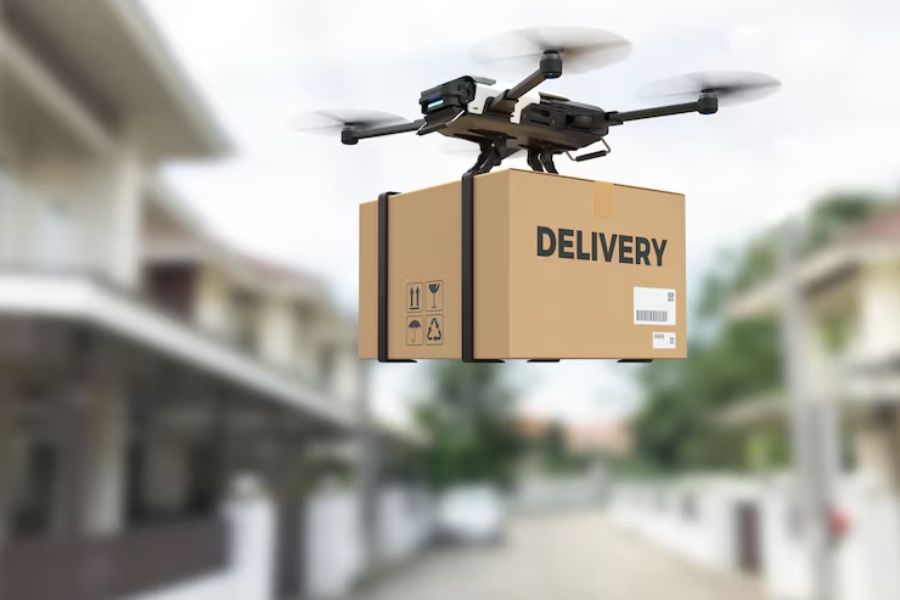
Smart shipping solutions have become essential for small businesses in a competitive market. Recent findings show that nearly 80% of customers value a company’s service experience just as much as the products it offers. Yet about a quarter of cargo owners still rely on traditional methods such as email to manage their shipping needs, which limits efficiency and visibility.
Small businesses remain the backbone of the global economy and represent close to 90% of all companies worldwide. Fast and dependable delivery is now a top priority for 59% of small and medium enterprises. This shift has made digital logistics tools an important part of business resilience and long term growth.
This piece explores the most effective shipping strategies for small businesses in 2025. You will discover practical ways to modernize your logistics operations, respond to new consumer expectations, and support the rise of local commerce at a time when 22% of shoppers are choosing to spend more with small businesses.
Understanding Smart Shipping in 2025
The shipping landscape has changed dramatically through digital transformation in 2025. Smart shipping marks a transformation from traditional operations to connected, data-driven logistics systems that optimize every aspect of the supply chain.
What makes shipping ‘smart’ today
Smart shipping represents the progress of existing ship subsystems that create an integrated, intelligent solution together. Smart shipping turns mountains of data into actionable information delivered to the right person at the right time. The system combines four key elements: advanced navigation systems, guidance software, improved physical components, and automated control systems.
These intelligent systems make use of AI, sensors (IoT), automation, and data analytics to manage the entire shipping process. The technology processes and transforms raw data into valuable insights that support decision-making. On top of that, the technology readiness levels of these components vary. Sensor technology already shows high implementation levels while fully autonomous systems remain in development.
Why small businesses need to adapt
Small businesses must adapt to mounting pressures. About 70% of shipping accidents happen due to human error, which shows the safety benefits of automated systems. The industry expects a shortage of 150,000 maritime officers by 2025. Shipping costs continue to rise with an estimated 6% increase in recent years and another 9.5% projected for 2023.
Customer expectations have moved dramatically too. Businesses can lose up to 80% of prospective customers due to poor shipping speed compared to competitors. Small businesses that don’t welcome these changes risk falling behind in an increasingly digital marketplace.
The role of logistics digital solutions
Digital logistics solutions are the backbone of smart shipping operations. These tools automate previously manual processes like route optimization, inventory management, and customs documentation. They provide three critical functions:
- Data collection from multiple sources across the supply chain
- Integration and processing to produce patterns and trends
- Analysis to support informed decision-making
These solutions give small businesses the same capabilities once reserved for large enterprises. Digital freight platforms help businesses compare rates across carriers and save up to 20% on shipping costs. Small businesses that plan shipments at least two weeks ahead through digital platforms can save an additional 10%.
Top 4 Smart Shipping Tools for Small Businesses
Small businesses that utilize technology-driven logistics will dominate the market in 2025. These four tools are the life-blood of modern shipping operations for growing companies.
1. AI-powered route optimization
Advanced algorithms analyze millions of route possibilities in seconds. Your travel time and fuel costs drop by 10-20% in the first few weeks of implementation. These intelligent systems use up-to-the-minute traffic data, weather conditions, and delivery windows to create the quickest delivery paths.
Route optimization software built for small businesses cuts delivery costs by up to 25%. The systems generate optimal routes based on traffic patterns, driver priorities, and business needs. Your fleet’s historical performance data helps the technology adapt to your unique business patterns over time.
2. Real-time tracking and delivery updates
Modern tracking systems give you detailed visibility into package location and status. Small businesses can see all vehicles on a single map and track delivery progress through unified dashboards.
Customers enjoy “Uber-like” experiences with automatic SMS notifications. They receive accurate ETAs and live tracking links when drivers head their way. Driver privacy stays protected as calls and messages route through dedicated virtual phone numbers. Customer service inquiries drop because recipients stay informed throughout the delivery process.
3. Automated customs and trade documentation
Electronic trade documentation systems eliminate printing, signing, and attaching multiple copies to each shipment. Businesses can upload trade documents early, which enables pre-clearance assistance and reduces customs delays. Small businesses see substantial benefits including lower paper consumption, reduced printing costs, and faster processing time for international shipments.
Platforms like Ship4wd make this process even easier by centralizing paperwork, offering guided documentation steps, and reducing the risk of errors during cross-border shipping. Electronic documentation also helps prevent theft since packages do not have visible invoices that reveal commodity information to third parties.
For small businesses managing international shipments, uncertainty around border processing is often one of the biggest planning challenges. Understanding how long does customs clearance take helps set realistic delivery expectations and avoid downstream disruptions, especially when timelines depend heavily on document accuracy, shipment type, and country-specific regulations.
4. Smart lockers and flexible delivery options
Smart locker systems are a great way to get secure, contactless delivery with 24/7 accessibility. Recipients get unique access codes for pickup as soon as their packages arrive in these intelligent, self-service solutions.
Smart lockers do more than offer convenience. They eliminate overstuffed mailrooms, protect packages from weather, and prevent misplacement. Small businesses get full transparency into locker usage, storage duration, and availability metrics. Package pickup becomes centralized, and recipients collect items at their convenience without staff coordination.
Integrating Smart Shipping with E-commerce
Customers expect smooth, connected shipping experiences when shopping online, and research shows that complicated checkout steps or payment issues lead 22 percent of shoppers to abandon their carts. Small businesses can strengthen their e-commerce performance through several key practices:
- Adopt omnichannel logistics for seamless shopping
Omnichannel logistics unifies physical stores and online platforms into one system. This approach turns storefronts into local fulfillment points that handle both walk-in and digital orders. Data shows that omnichannel shoppers spend two to three times more than single-channel customers, making this strategy a valuable way to reduce costs and speed up delivery. - Use mobile-first and social commerce delivery tools
Mobile-optimized, cloud-based apps help small businesses manage field operations with greater efficiency. These tools send automatic SMS updates with accurate ETAs and tracking links as orders move through the delivery process. Customers receive an experience similar to real-time ride-sharing updates, which keeps them informed and builds trust. - Integrate payment and checkout with transparent shipping information
Clear, instant shipping rates at checkout help prevent abandoned carts. Smart shipping systems that connect directly with payment platforms display accurate pricing before purchase and remove unexpected delivery fees. Studies reveal that 23 percent of shoppers abandon carts when delivery seems too slow, showing how important accurate shipping information can be. - Offer flexible delivery and pickup options
Providing multiple fulfillment choices such as standard delivery, same day delivery, curbside pickup, or in store pickup gives customers greater control over their orders. This flexibility improves satisfaction and encourages repeat purchases, especially for shoppers who value speed or convenience.
Improving Customer Experience Through Logistics
Your choice of courier service shapes how customers notice your business and feel about your brand. Shipping isn’t just about costs or logistics—it presents a chance to enhance customer service.
Personalized delivery options
Customers today want choices about receiving their purchases. Smart logistics systems let you offer flexible options like:
- Same-day delivery and scheduled delivery slots
- Safe pick-up points and smart lockers with 24/7 accessibility
- Local delivery options from nearby stores or warehouses
Research shows that 63% of shoppers want to select their delivery date and time. About 61% would pay extra to track their packages better. Customers need fewer status updates when they control delivery timing and location.
Reducing delivery errors and delays
Smart automation cuts down human errors in shipping. Automated systems ensure accuracy in checking order details, labeling, and packaging through barcode scanning and package sorting. Damaged goods during shipping cost about $1 billion yearly in the US alone.
Disruptions happen. Being open about shipping delays caused by external factors helps maintain customer trust. Most people (96%) track their deliveries, and 43% check them daily.
Building trust with transparent shipping
Clear communication about delays through immediate tracking and quick updates can ease complaints and boost customer confidence. To cite an instance, shipping calculators on your policy page show customers you’re charging fair rates. Fair prices and clear expectations encourage customers to complete their purchase. This helps recover the 23% of shoppers who leave their carts because delivery seems too slow.
A Stronger Path Forward for Small Business Shipping
Smart shipping practices give small businesses a powerful advantage in an environment shaped through rising expectations and rapid digital change. Each improvement, whether a shift toward omnichannel logistics, real time visibility, or automated documentation, brings operations closer to the speed and clarity modern customers expect. Small businesses gain the freedom to focus on growth when their logistics systems work with accuracy and efficiency.
Adopting these tools encourages stronger relationships with customers who value transparency, flexibility, and consistent service. It also creates a foundation for long term stability since efficient delivery systems attract repeat business and inspire confidence.
Smart shipping is no longer a luxury for large companies. It is an accessible path for small businesses that want to operate with confidence, meet rising demand, and step into the future with systems designed for reliability and success.

Charles Poole
Charles Poole is a versatile professional with extensive experience in digital solutions, helping businesses enhance their online presence. He combines his expertise in multiple areas to provide comprehensive and impactful strategies. Beyond his technical prowess, Charles is also a skilled writer, delivering insightful articles on diverse business topics. His commitment to excellence and client success makes him a trusted advisor for businesses aiming to thrive in the digital world.